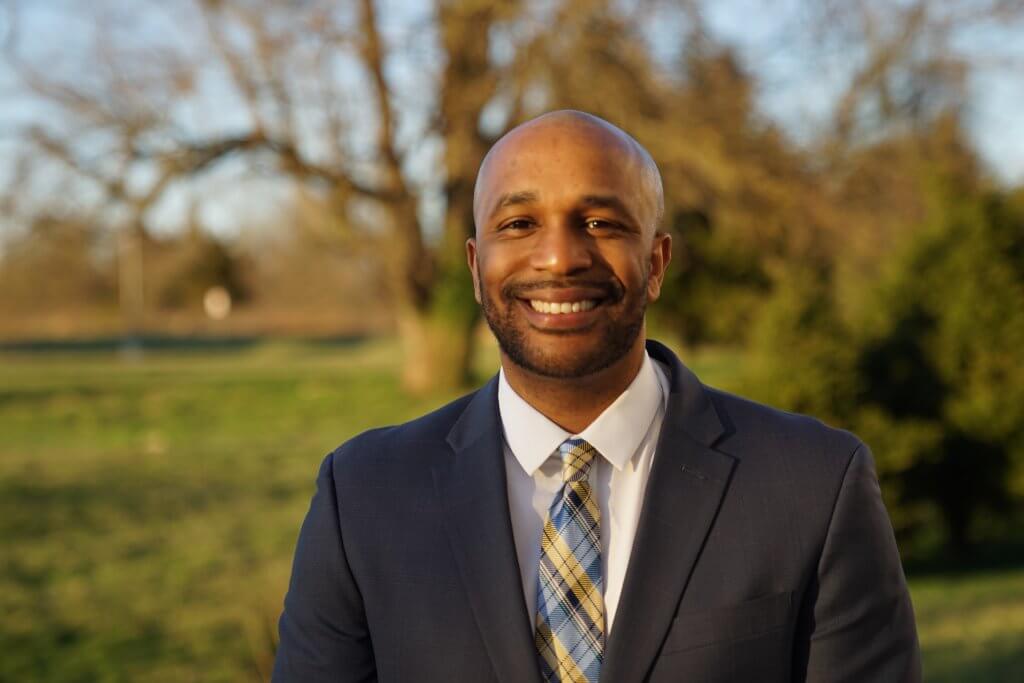
Ahead of Second Chances Month, Clean Slate Delaware hosted a two-part storytelling training to elevate the stories of impacted voices during the upcoming CSDE Lobby Day on Tuesday, April 4th at Legislative Hall in Dover.
Currently, up to 400,000 people who have a record in Delaware live with limited access to jobs, housing, education, starting a business, or participating fully in social and civic community life. Behind every single one of those 400,000 records is a story.
Last month, I was invited to participate in a Clean Slate Delaware (CSDE) Campaign storytelling training. This two-part series aimed to help impacted individuals like myself gain the tools to effectively share our first-hand experiences living with a record, and use those experiences to impact positive policy change that offers true second chances for Delawareans.
Unfortunately, living with a record means many impacted individuals don’t always have the time or transportation to attend valuable events such as this. However, CSDE Campaign partners worked hard to ensure participants schedules were accommodated, and virtual attendance options were available for those unable to be physically present. It was encouraging to see several men that I had served time with be able to attend and participate. Being in a room of individuals with shared experiences provides connection and comfort that can be difficult for so many to find during the reentry process.
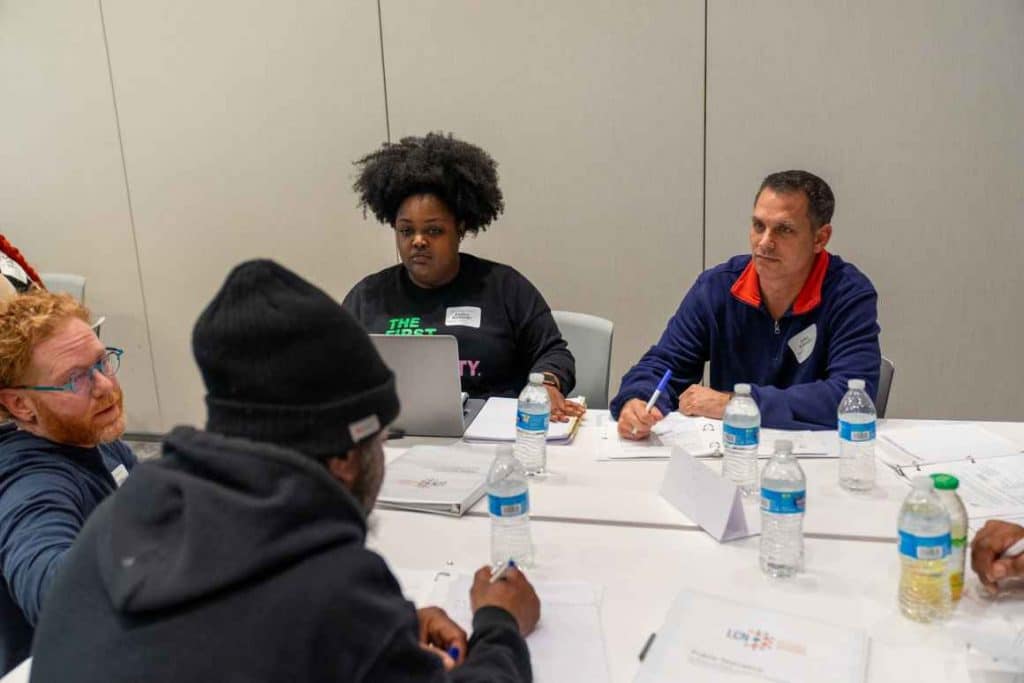
Throughout the training, we dived into the power of storytelling, and how our stories can have real and persuasive influence on audiences- particularly, elected officials. The facilitators were very engaging, constantly encouraging interaction and feedback between participants and CSDE Campaign leaders. Seeing storytelling strategies modeled not only helped enhance our understanding, but allowed us to really feel the increased impact and connection that comes with telling stories for rather than to an audience.
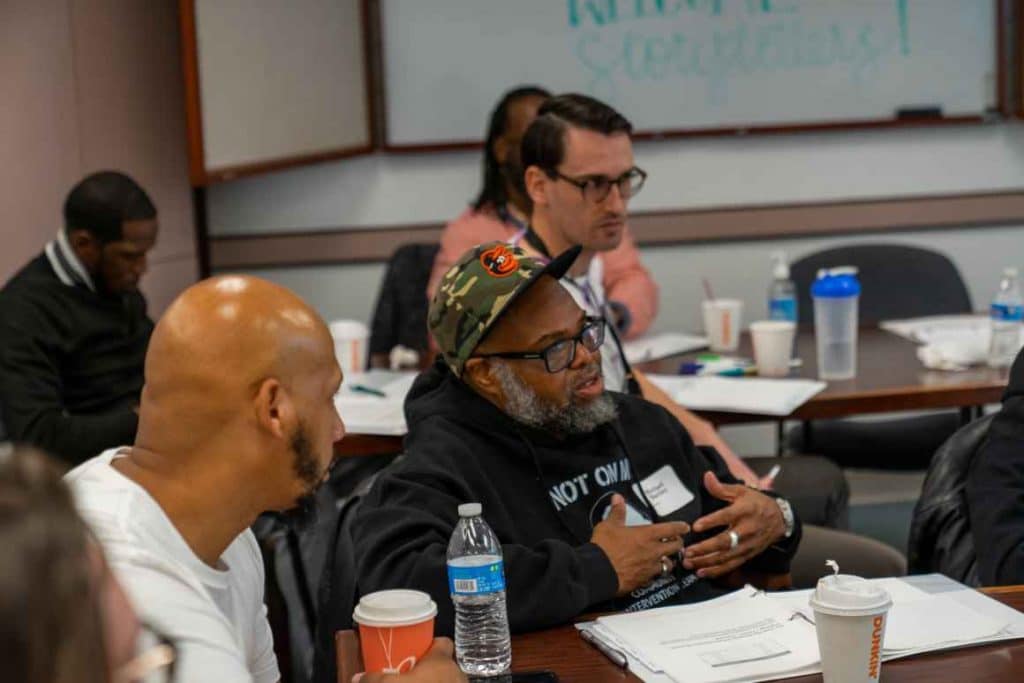
At the end of the training, we were given the opportunity to share our personal stories in small groups and receive feedback from our fellow participants. I could already begin to feel the difference in my storytelling skills as I spoke with greater confidence, intention, and awareness of my story’s purpose. I made conscious efforts to incorporate strategies like creating detailed visual imagery for my audience. It felt liberating to not only tell my own story, but to know that I was lending a listening ear that allowed others to have a similar experience.
As Second Chances Month nears, I am eager to use my new storytelling skills to engage legislators during the Clean Slate Delaware Lobby Day on April 4. Our stories prove the critical need for elected officials to support reforms that will expand expungement eligibility and accessibility. If you are passionate about joining the fight for second chances for Delawareans like myself, I encourage you to attend.
Everyone deserves a second chance.
For questions, please contact Clean Slate Delaware Manager, John Reynolds, at jreynolds@aclu-de.org.